



Sentier des Grand(e)s Cru(e)s
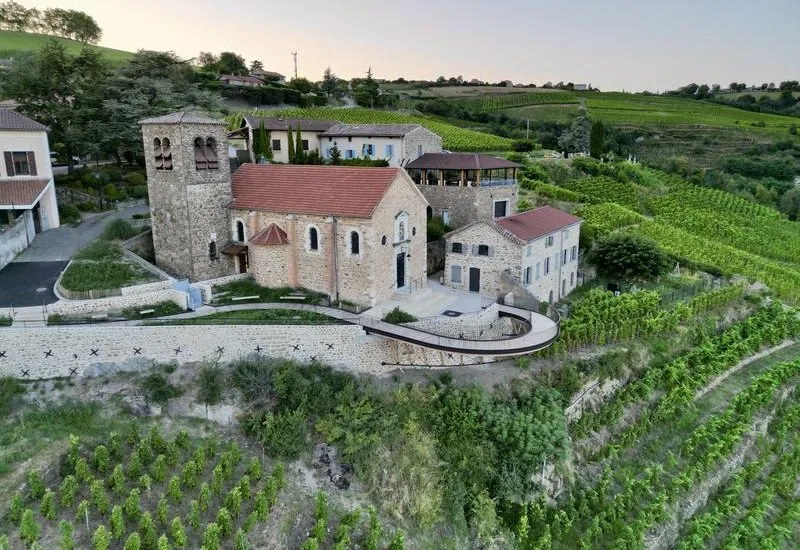
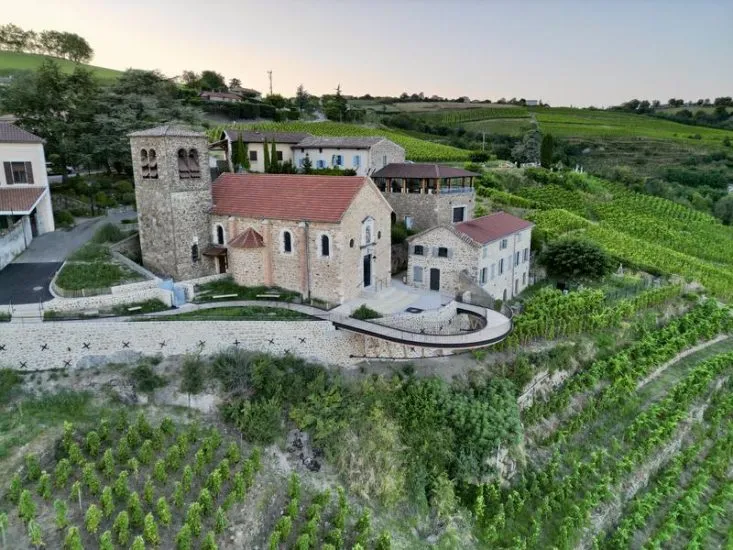
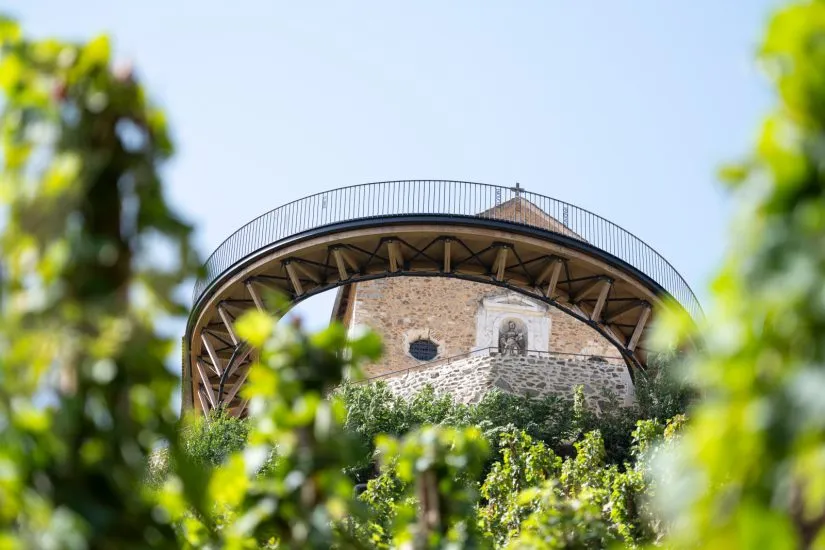
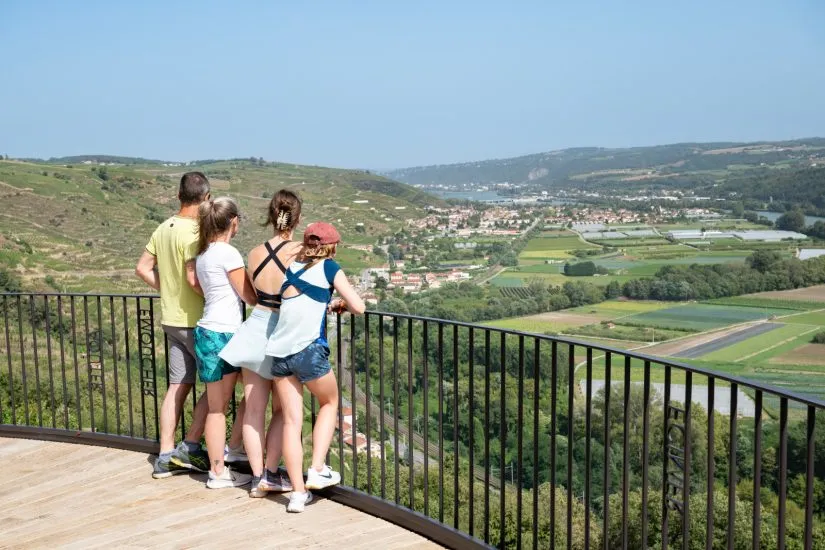
In Tupin-et-Semons, the belvedere overlooks the vineyards and the Rhône Valley. The educational trail reveals viticulture, legends, and ecosystems, between alluvial forest, birdsong, natural scents, and a stop on the protected haven of Île du Beurre.
Description
You’re going to love:
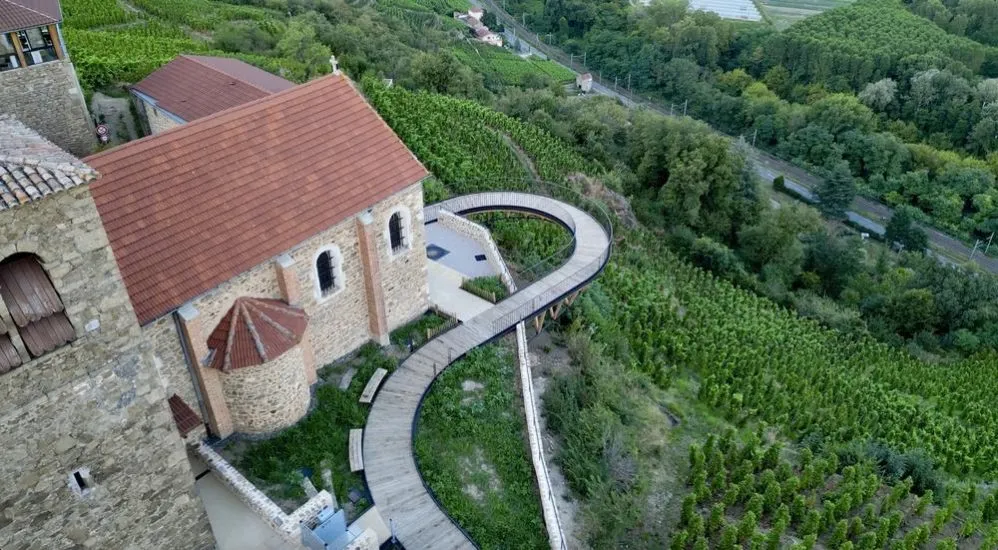
• The breathtaking viewpoint at Tupin-et-Semons, overlooking the vineyards and the Rhône Valley.
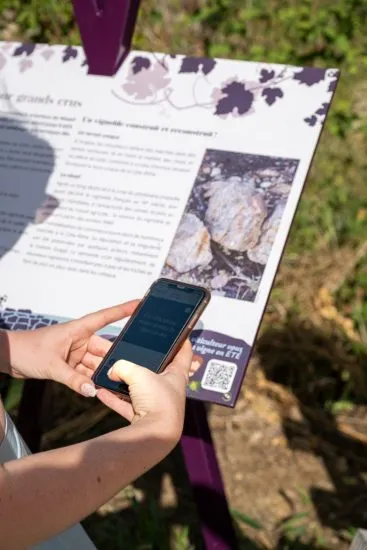
• Illustrated signs along the entire trail for visitors of all ages, featuring information on viticulture, local legends, history, and the river’s ecosystem.
• The section on Île du Beurre, a haven of peace for wildlife, protected by one of the Rhône’s few biotope protection decrees (APPB).
• The coolness of the alluvial forest, the sounds of birdsong and cicadas, and the scents of nature.
How to make the most of it:
• Essential for appreciating the wilderness and landscapes: binoculars and a camera.
• Why not visit on the second-to-last weekend in January? Combine a hike with a visit to the Ampuis Wine Market, a wine event with nearly a century of history.
• Come in early spring, when gray herons hatch; in the evenings in June to try to spot beavers; or in the fall, when migratory birds are present.
• Spend an extra 30 minutes in nature by exploring the beaver nature trail.
A bit of culture:
“That furious bull”
In the 19th century, writer J. Michelet described the Rhône this way, whose powerful floods devastated Tupin-et-Semons in 1684. The village was later rebuilt, but on higher ground. In the past, watchmen monitored the river’s color, as an opaque hue foreshadowed disasters. On the Beaver Trail, a flood gauge shows the extent of recent floods, even though the river is now channeled.
Chayets and stakes
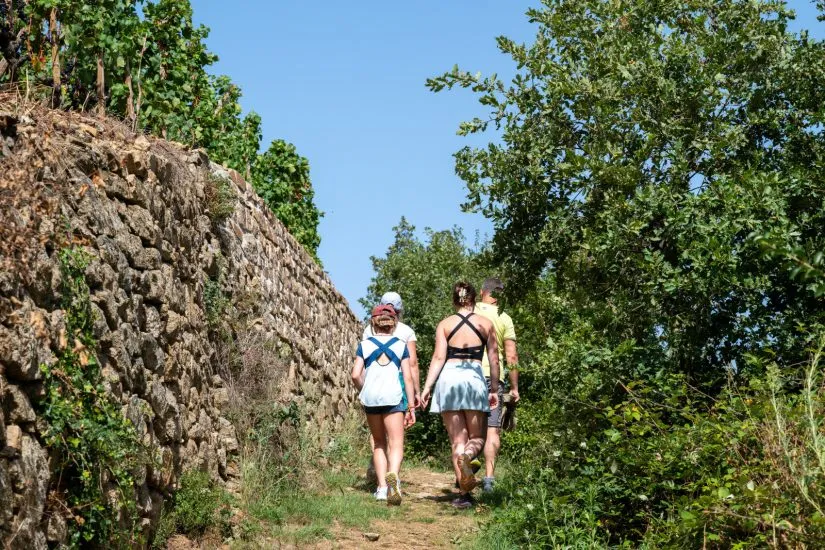
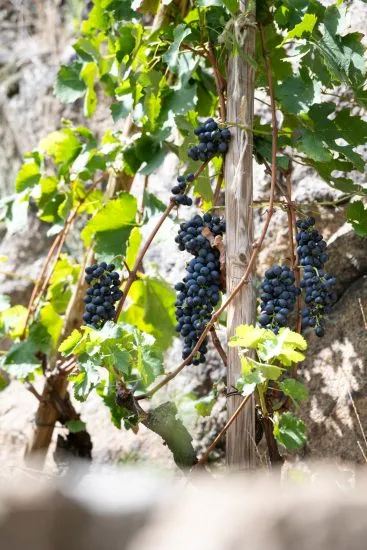
The Côte-Rôtie wine grown here shares 2,000 years of history with its southern neighbor, Condrieu. Shards of ancient amphorae, found in Rome, attest to their origins thanks to potters’ “signatures” and analyses of wine residues. The local vocabulary and landscape also set these vertical, terraced vineyards apart. “Chayets,” which serve as erosion barriers, refer to dry-stone walls. As for the stakes that lift the vines toward the sun, they are called “échalas.”
Opening period
All year round daily.
Subject to favorable weather.
Spoken languages
-
 French
 French
Itinerary
- Marked route BALISE
- Route type BOUCLE
- Delicate passage A steep, rocky climb from the vineyards for a short distance.
- Nature of the land Stone Ground
Equipment
- Parking nearby
Services
- Pets welcome
Environments
- View over the vineyards
- Overview on river
- Panoramic view
Prices
Free access.
More informations
69420

